Portable storage containers
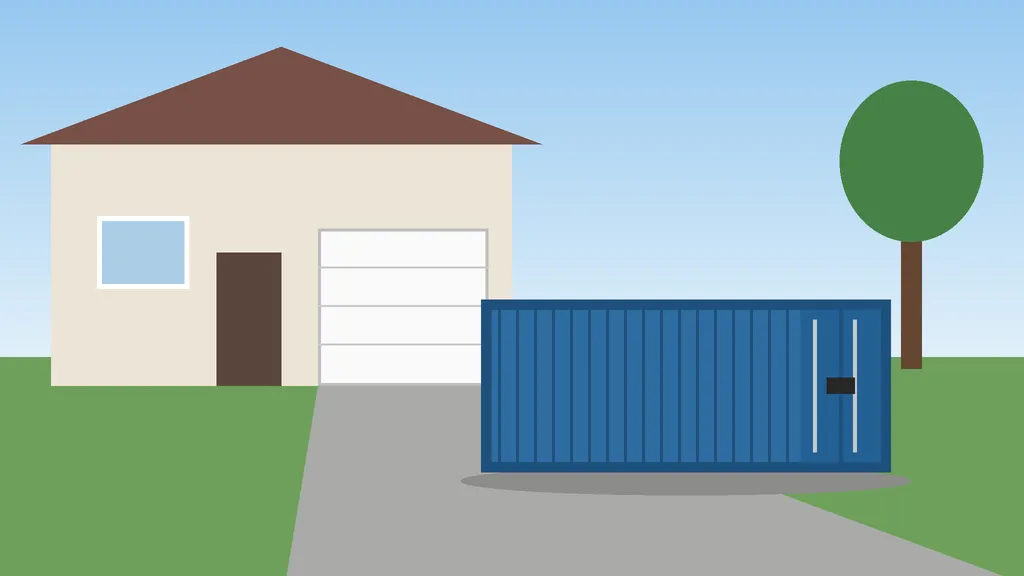
A portable storage container is a weather-resistant steel or wood-and-steel box that a local company drops off at your home, business or job site. You load it at your own pace, lock it, and either keep it on site or have it picked up and stored at the company's warehouse or yard.
When a portable storage container makes sense
Many companies will also haul a loaded container to a new address, so it doubles as a moving service: pack once, unload at the other end. Rent is usually monthly, with separate one-time fees for delivery, pickup and moves. Each company sets its own prices and terms.
Best for
- Moving: load at the old home, unload at the new one
- Home renovations and flooring jobs: keep furniture in the driveway
- Construction and job sites: lockable tool and material storage
- Businesses that need extra space on site for months or years
- Staging a home for sale or decluttering before a move
What to look for
Questions worth asking before you choose a portable storage container.
Delivery area & fees
Ask whether your address is inside the company's service area and what drop-off, pickup and relocation cost. Fees are usually separate from monthly rent.
Placement & surface
Containers need a level, firm spot with clearance for the delivery truck: driveway, lot or a prepared pad. Ask how much space and overhead clearance the truck needs.
Permits & HOA rules
Placing a container on the street often needs a city permit, and some HOAs limit how long one can sit in a driveway. Check before delivery day.
Security & weather
Ask about locking hardware, whether you supply the lock, and how the container keeps out rain and pests. Use pallets or a moisture barrier for sensitive items.
Common sizes
Find portable storage containers near you
Search by city or ZIP above, or start from a state below. Unclaimed listings don't list their features yet, so ask in your free request whether they offer what you need.
Tips from the pros
- Measure the spot and the path the truck will take. Low branches, wires and tight turns matter.
- Load heavy items first and spread the weight evenly. Tie off loads you plan to have moved.
- Fill gaps with blankets or boxes so things don't shift if the container is relocated.
- Ask whether the container can stay on site, go to the company's warehouse, or both, and what changes in price.
- Check your homeowner's or business insurance for stored-goods coverage, or ask the company about protection.
Portable storage containers: common questions
How do portable storage containers work?
Do I need a permit for a storage container?
Can the container be moved with my things inside?
Is requesting a quote free?
Do you offer portable storage containers?
List your facility free and reach renters searching for exactly what you offer. Upgrade any time for online reservations and a full website.