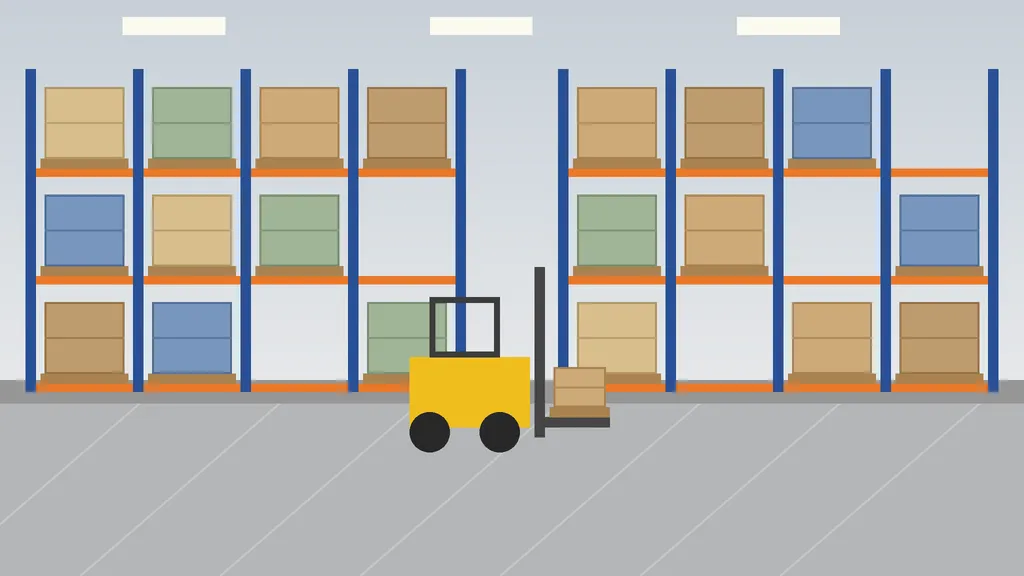
Warehouse & pallet space for rent
Warehouse space for rent ranges from a single pallet position in a shared, racked warehouse to a private area or flex suite measured in square feet. It suits businesses that need more room for inventory or equipment than a storage unit offers, without signing a multi-year industrial lease.
When a warehouse space makes sense
Some operators also handle goods for you: accepting inbound deliveries, staging outbound orders at the dock, or lending forklift time. Those services, and their fees, vary by warehouse. Each operator sets its own prices and terms.
Best for
- E-commerce and wholesale inventory that has outgrown a garage or unit
- Overflow stock during peak season or a product launch
- Contractors and trades storing materials and equipment
- Distributors who need a local stocking point with dock access
- Businesses between leases or waiting on a build-out
What to look for
Questions worth asking before you choose a warehouse space.
Pallets or square feet
Shared warehouses usually rent pallet positions (often about 4×4 ft per pallet, with a height limit). Private areas and flex suites are priced by the square foot. Ask how each is measured and what's included.
Docks & receiving
Ask how many dock-high doors and drive-in doors there are, the dock hours, and whether staff will receive deliveries for you. Receiving, pulls and handling are often billed per delivery or per pallet.
Term & flexibility
Some spaces rent month to month; larger areas may have a minimum term. Ask about short-term and seasonal options and how much notice you need to give.
Security, climate & insurance
Check access control, cameras and alarms, whether any space is climate-controlled or food-grade, and what insurance you need to carry for your goods.
Common sizes
Find warehouse spaces near you
Search by city or ZIP above, or start from a state below. Unclaimed listings don't list their features yet, so ask in your free request whether they offer what you need.
Tips from the pros
- Count pallets, not boxes: palletized goods are cheaper to store and faster to receive.
- Ask for a written fee list for receiving, pulls, pick & pack and after-hours access before you sign.
- Confirm what can't be stored (hazardous, flammable or perishable goods) and whether food-grade space is available if you need it.
- Schedule inbound deliveries during dock hours and send the carrier, PO or BOL number ahead of time.
- Get a certificate of insurance for your goods ready; many warehouses require one.
Warehouse & pallet space for rent: common questions
How much does warehouse space cost?
What is a pallet position?
Can the warehouse receive deliveries for me?
Is this the same as a 3PL?
Is requesting a quote free?
Do you offer warehouse spaces?
List your facility free and reach renters searching for exactly what you offer. Upgrade any time for online reservations and a full website.